Case study · 2022
Nike’s Brand Experience
A 2022 analysis of Nike’s brand experience across marketing, products, retail, and athlete partnerships.
1. Empathy is Everything
There is no finish line.
Nike’s early growth offers a useful lens for examining how a sports brand can connect its products with a broader identity. This essay looks at the “There is no finish line” campaign and Nike’s relationship with runners; it does not establish that a single campaign caused the company’s later market position.
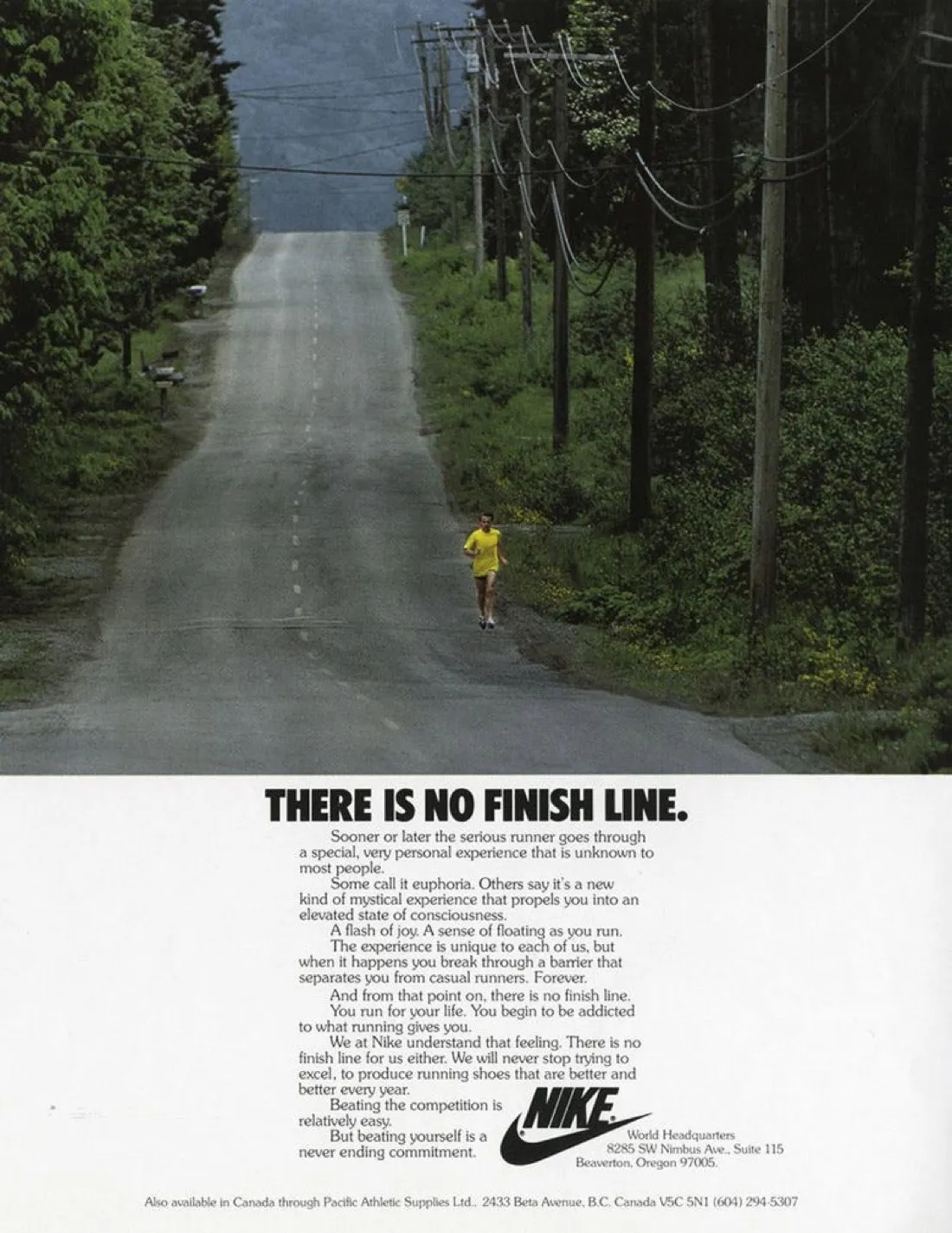
The campaign’s focus on runners suggests one way Nike positioned itself around the athlete’s experience. I read that as a strong brand choice, rather than evidence that competitors lacked the same understanding.
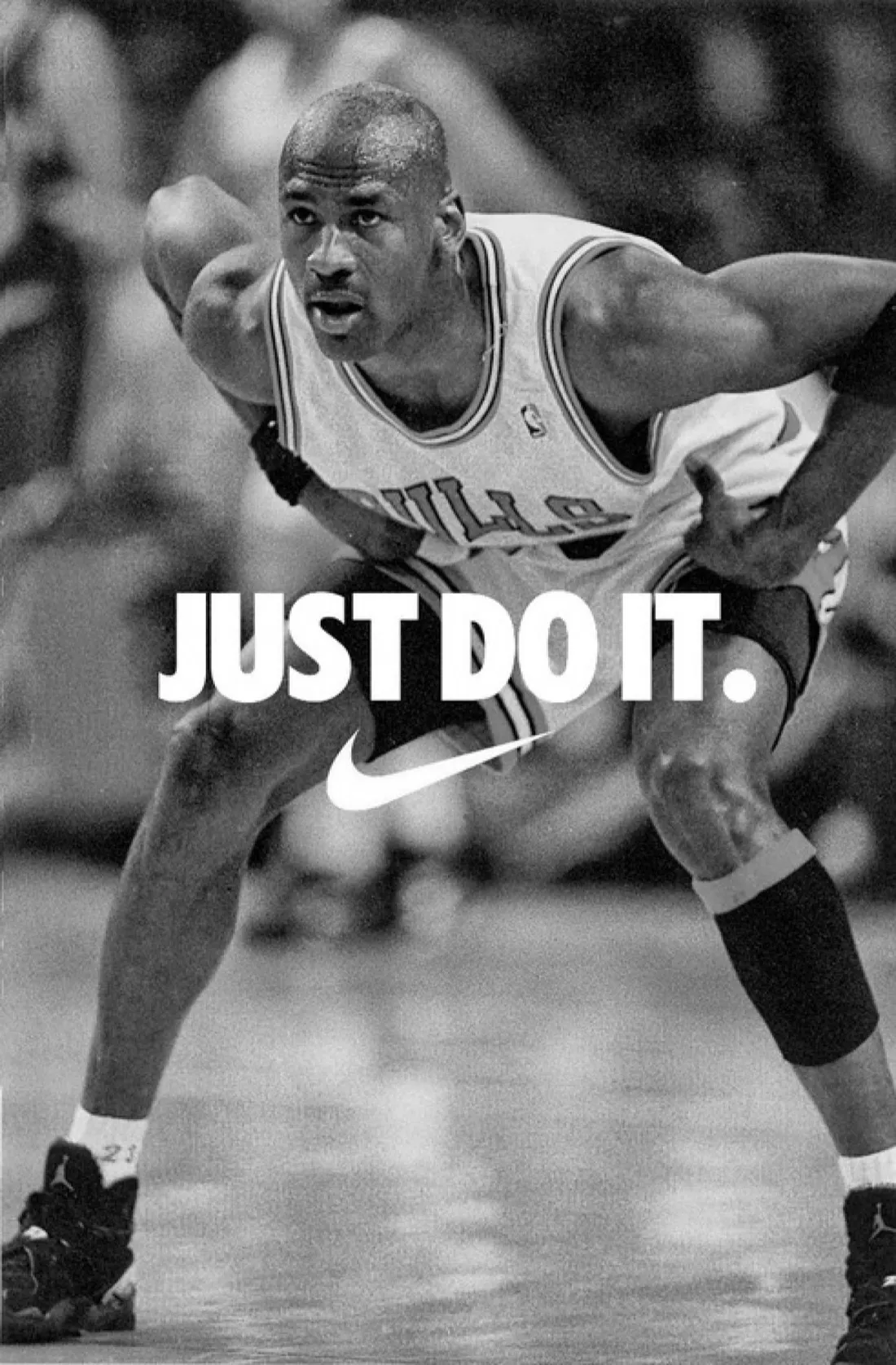
Just do it.
The second round of ad campaigns was the Just Do It ad. This campaign aimed to target a much broader audience, all Americans. Regardless of age, gender or physical fitness level, Nike’s objective was to represent that all demographics can be athletes.
Nike’s later marketing and product choices also brought the brand into everyday clothing and streetwear. This analysis describes that expansion as part of the brand story; it does not isolate the effect of any single campaign.
2. Products Speak for Themselves
Running
The Pegasus became one of Nike’s long-running running shoe lines. Its evolution illustrates the role of iteration and athlete input in Nike’s product story.
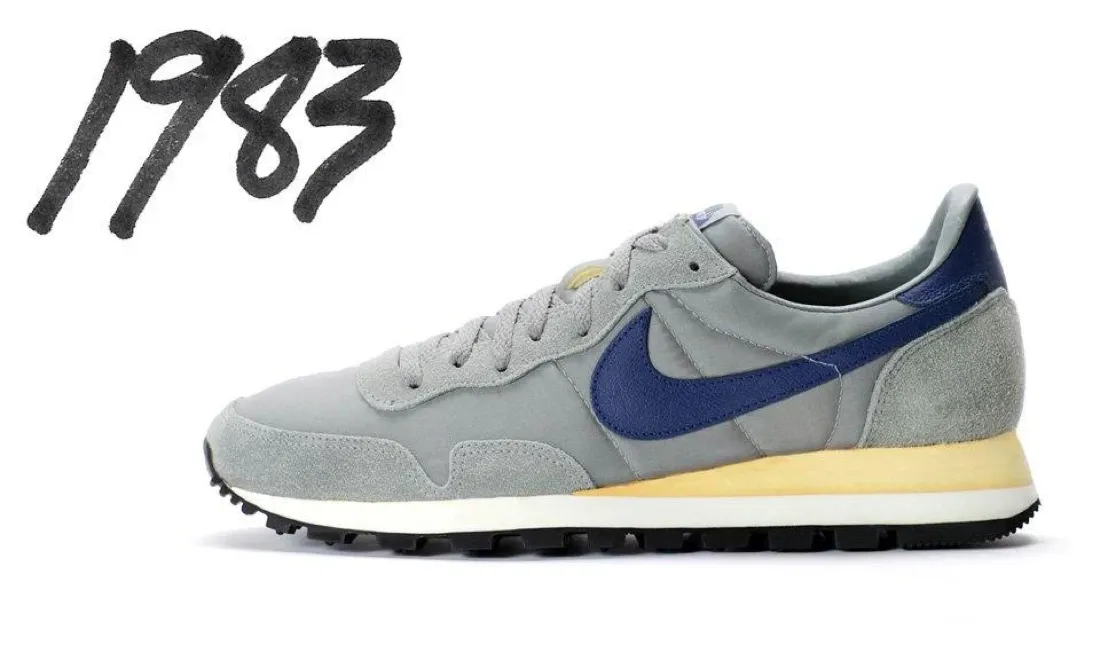
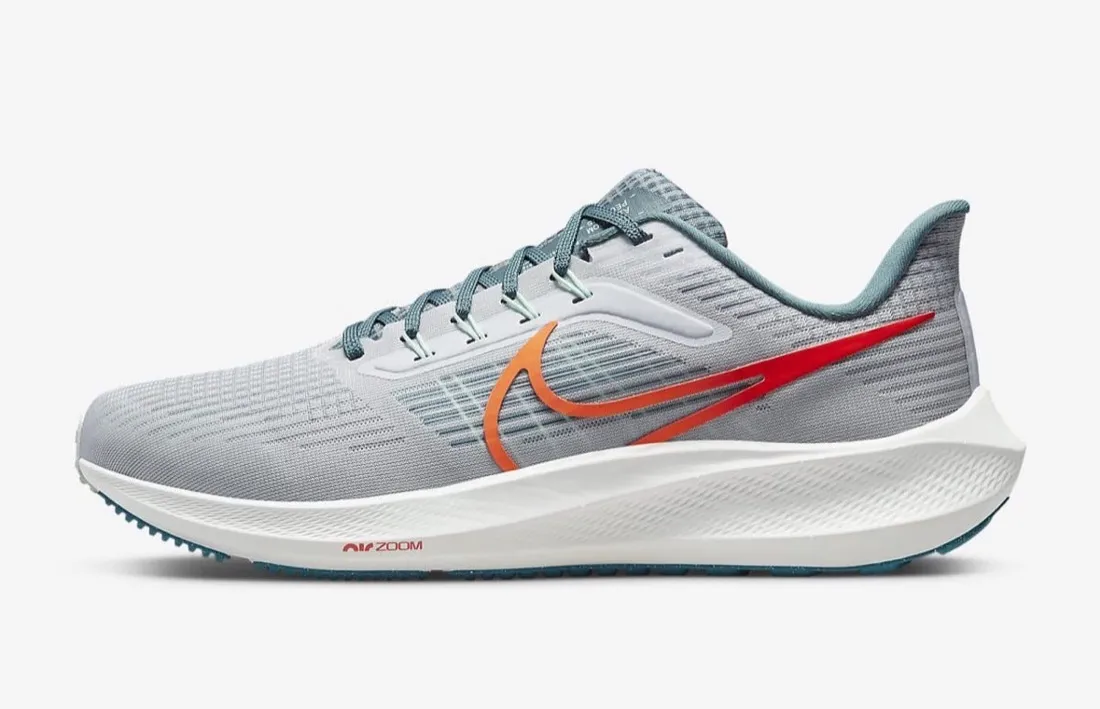
This was the first product Nike made that was accessible enough for an average person. Not an athlete, not an enthusiast but for anyone. Whether that be a father who works at a desk all day or a single mother who wants to be more active. Every day consumers finally had access to the same technology that top athletes who won Olympic Gold medals were using. This spoke volumes for consumers, especially runners. This distinction established Nike as not only a premier sports outfitter but also a sports research company.
Basketball
Soon, Nike expanded to other sports, first being basketball. In 1972, they produced their first two shoes. The Nike Bruin and Blazer. Since their release, the Blazer has become a streetwear icon and it has remained constant.
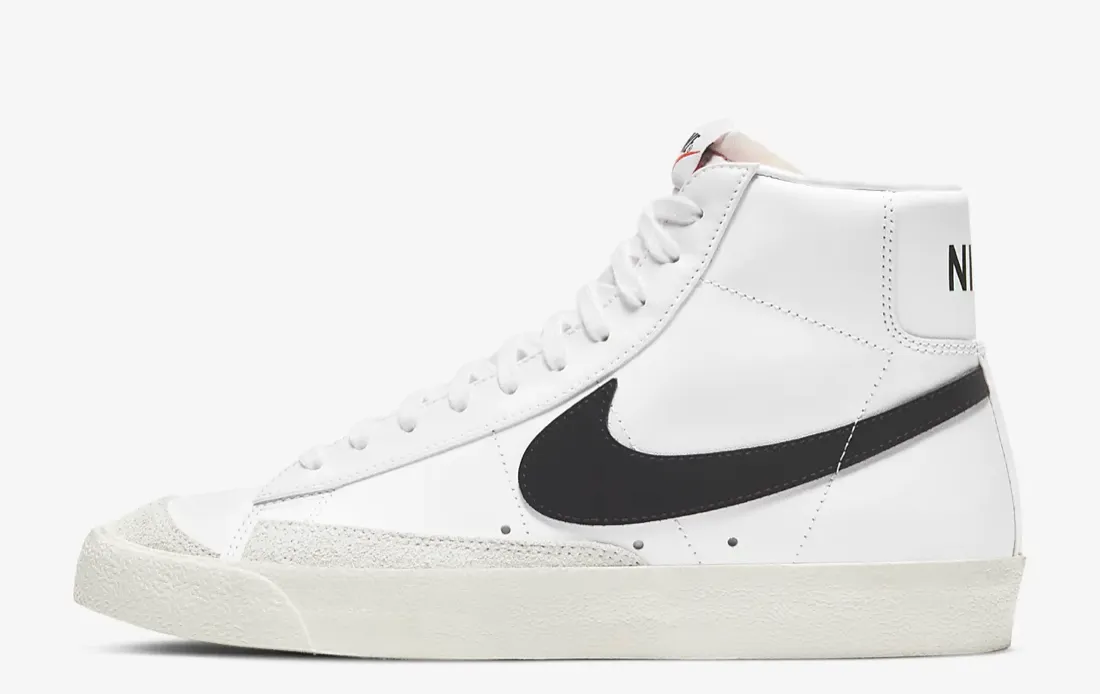
There are a lot more elements to consider when creating a basketball shoe compared to a running shoe. You have to worry more about ankle stability, creating friction so you can stop on a dime, and complete foot lockdown so you don’t cause any injuries. There are also different technologies that provide advantages for different positions. This is why creating a model that would stand the test of time took longer than 14 years. Currently, there are three main shoes the Lebron, KD, and Freak (for Giannis). All three of these have different technologies that allow players to have different play styles on the court. This develops a unique relationship between Nike and its athletes buying these shoes. Not only do you get to chose which type of play style and technology is right for you, but you get to wear the exact shoes top athletes are wearing and winning in on the court right now. That influence is priceless.
3. Graphic Design Changes Minds
The Beginning
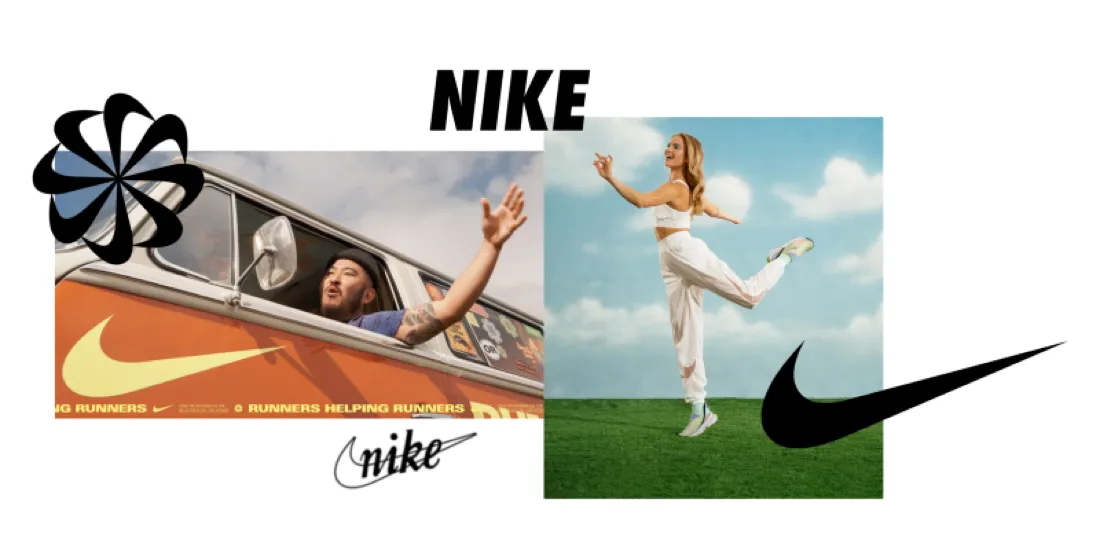
When Blue Ribbon Sports departed from Onitsuka, the first thing they did was change their name to Nike and create a new logo. The logo that was created was the infamous Swoosh.

Nike commissioned Carolyn Davidson to create the Swoosh in 1971. The mark has since become strongly associated with the brand; this essay focuses on its role as a recognizable visual identity.
Streetwear
Design principals are essential when entering a new space. Streetwear was definitely a new dimension for Nike at the time. They focused on pushing sneakers in the 80s as fashion statements. Some of the most iconic models were released such as the Air Force 1 and Air Max 1. But how did they break into this market? Piggybacking off of a marketing campaign so successful it’s still ongoing today, 40 years later, Just Do It (JDI). JDI can be considered the campaign that brought regular people into the fold of Nike’s universe. This was so successful because Nike showed regular people that you don’t have to be athletic in order to feel like an athlete. They revealed that you can be a part of this fitness/active journey without having a fitness background yourself. This was incredibly appealing to new customers. It also helped that Nike was pushing designs forwards. Trying new things. Being exposed and vulnerable with some choices they made.
Other Services
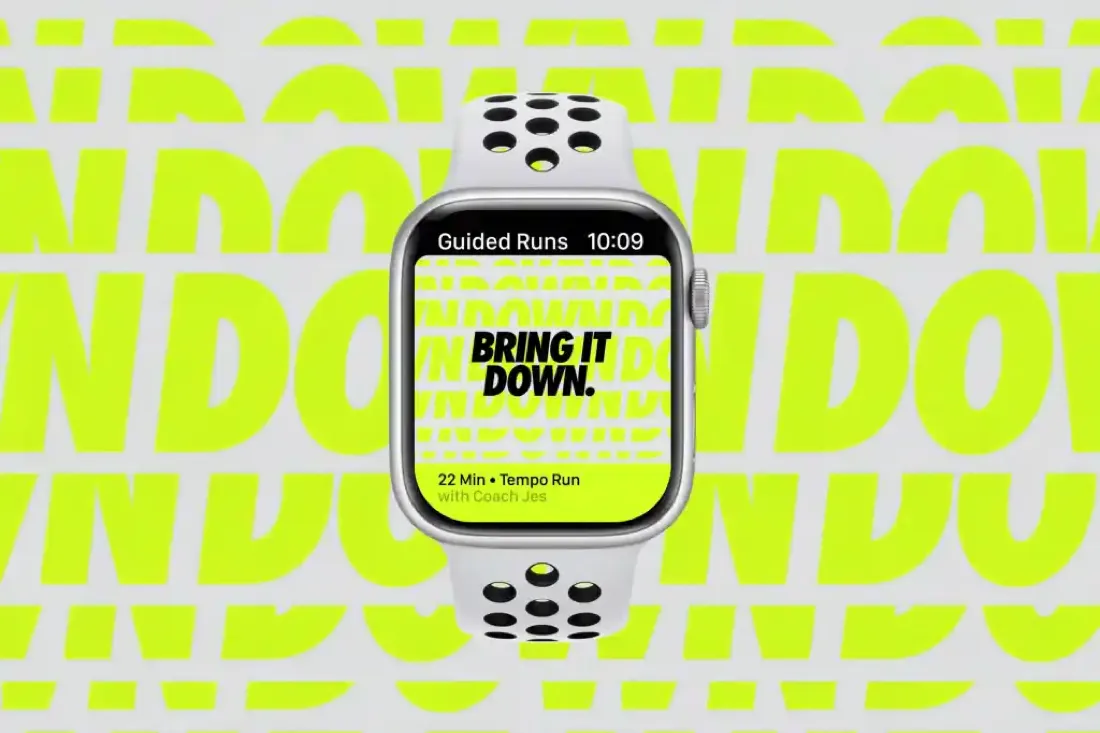
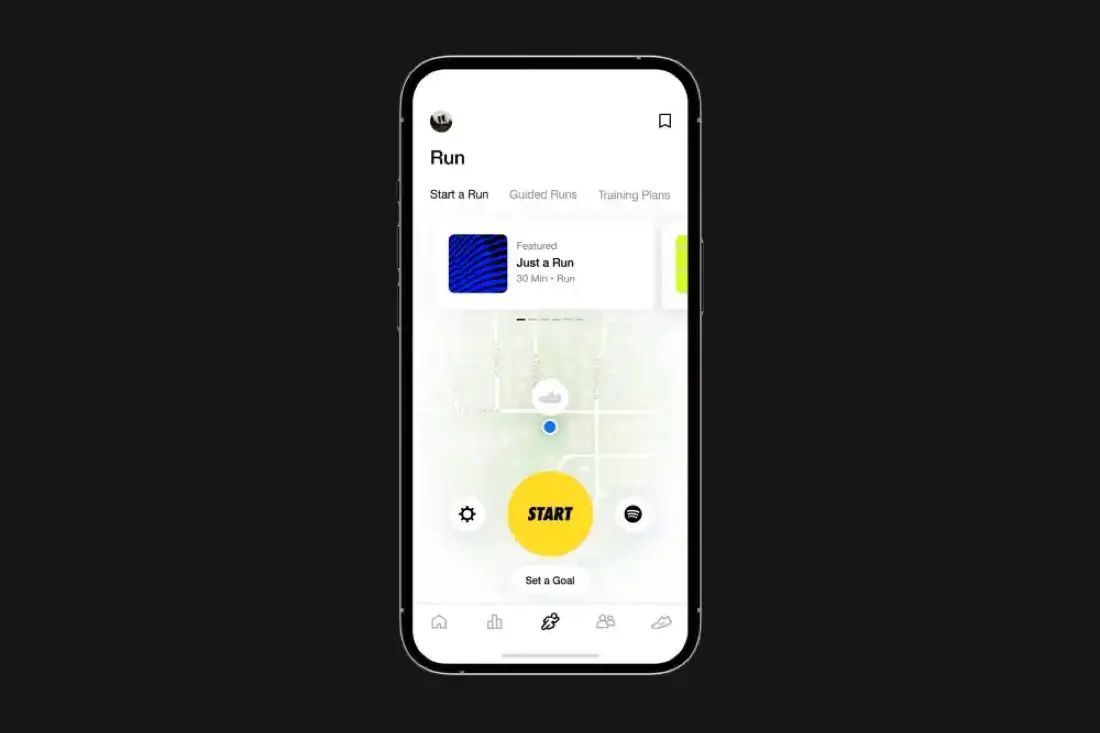
From Nike Pro Services to consumer apparel, Nike’s graphics have kept those same principals. Even the influence of an app on your phone like Nike Run Club. The big bold font and simple icons allow you to not be bogged down by trying to figure it out and lets you just go. And if you need a little push, you can do guided runs. An incredible experience for first time runners or runners who need someone to guide them on how to run.
The same goes for bringing back old logos that aren’t used as often. When reviving a logo and putting it on different items it gives the sense of being a part of that time period. Since the foundation of Nike was built in the 70s, being able to wear something that represents that time period is priceless. Translating the feeling of creating something from the ground up. Creating something that’s completely new and excites people just from a different logo style.
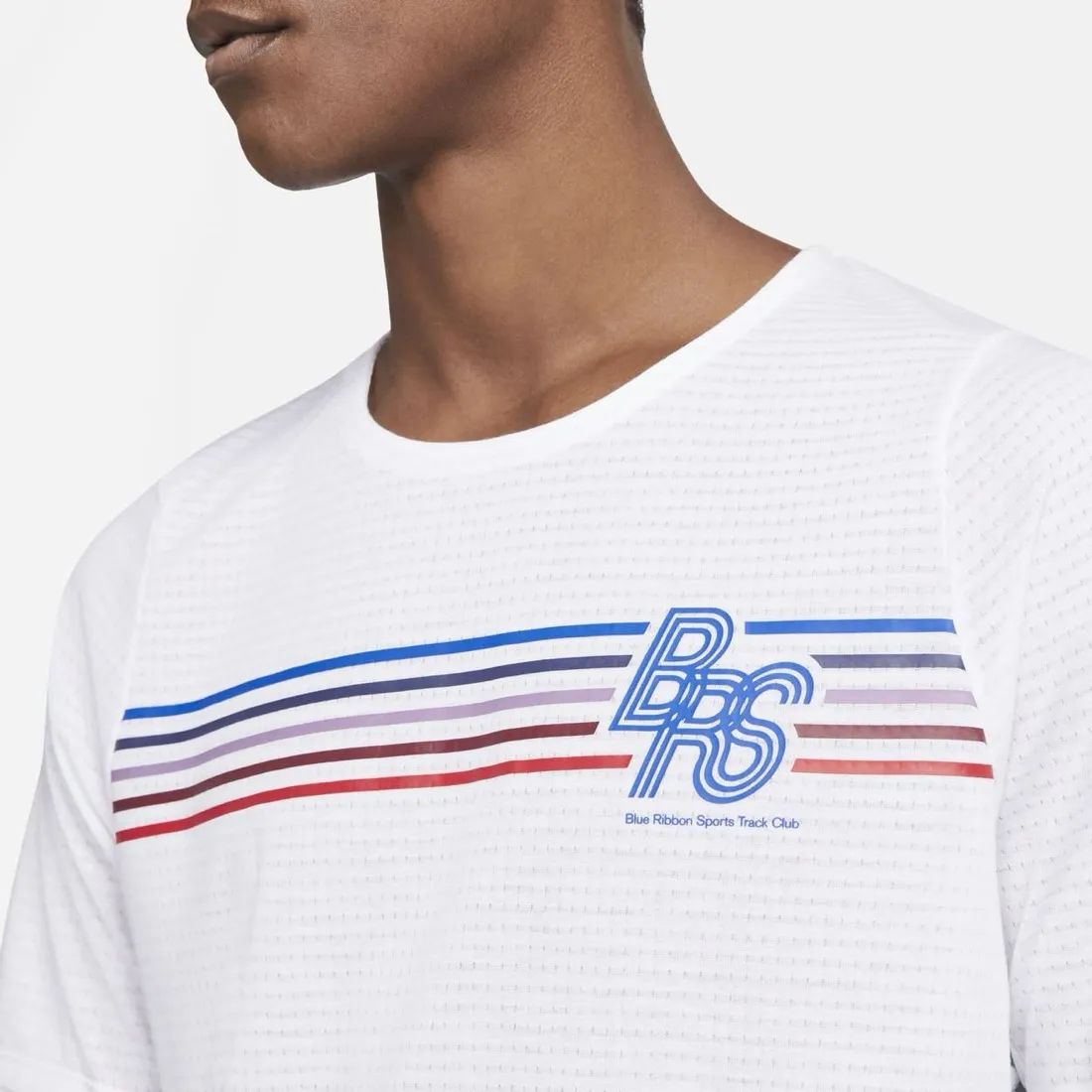
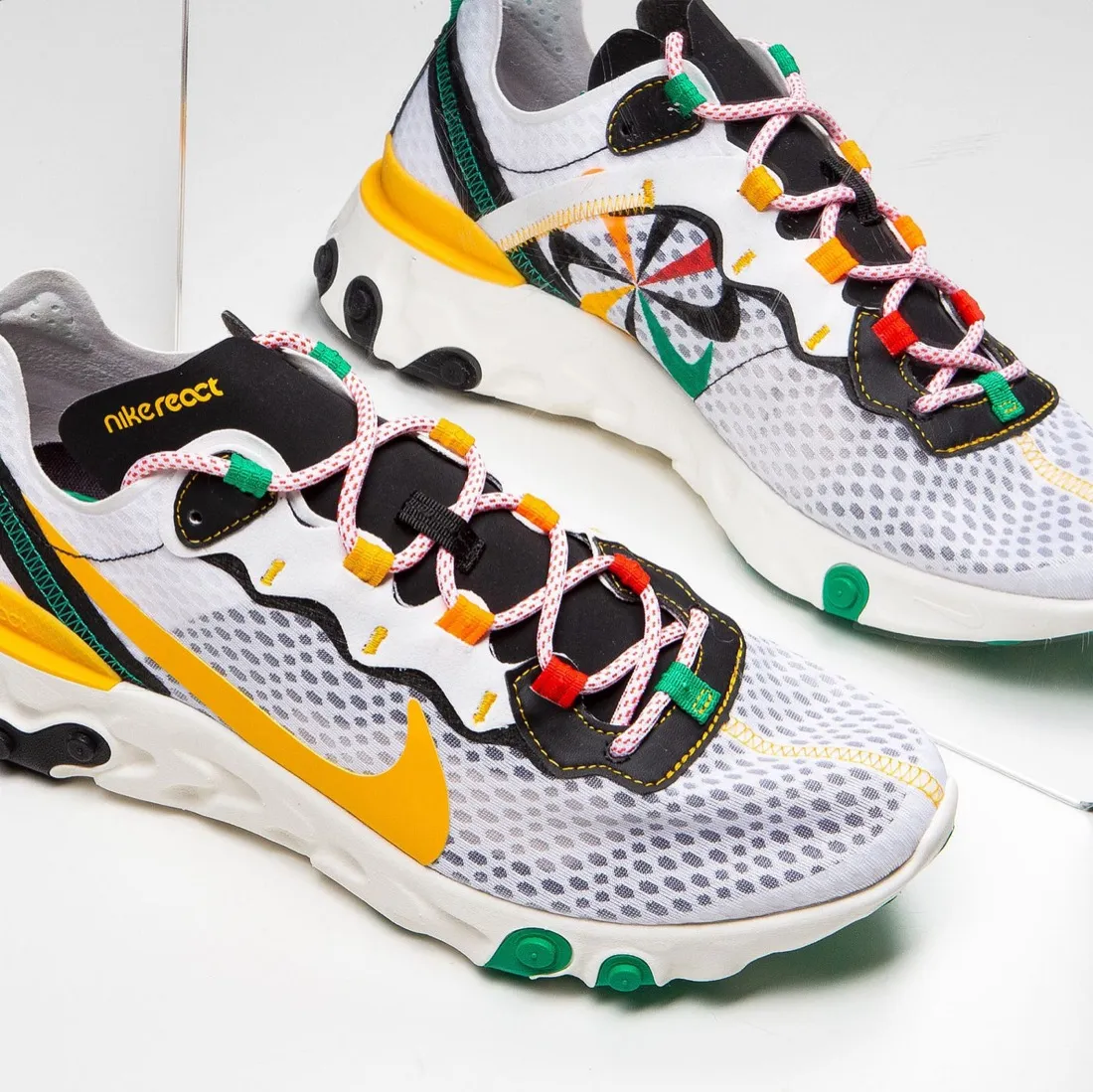
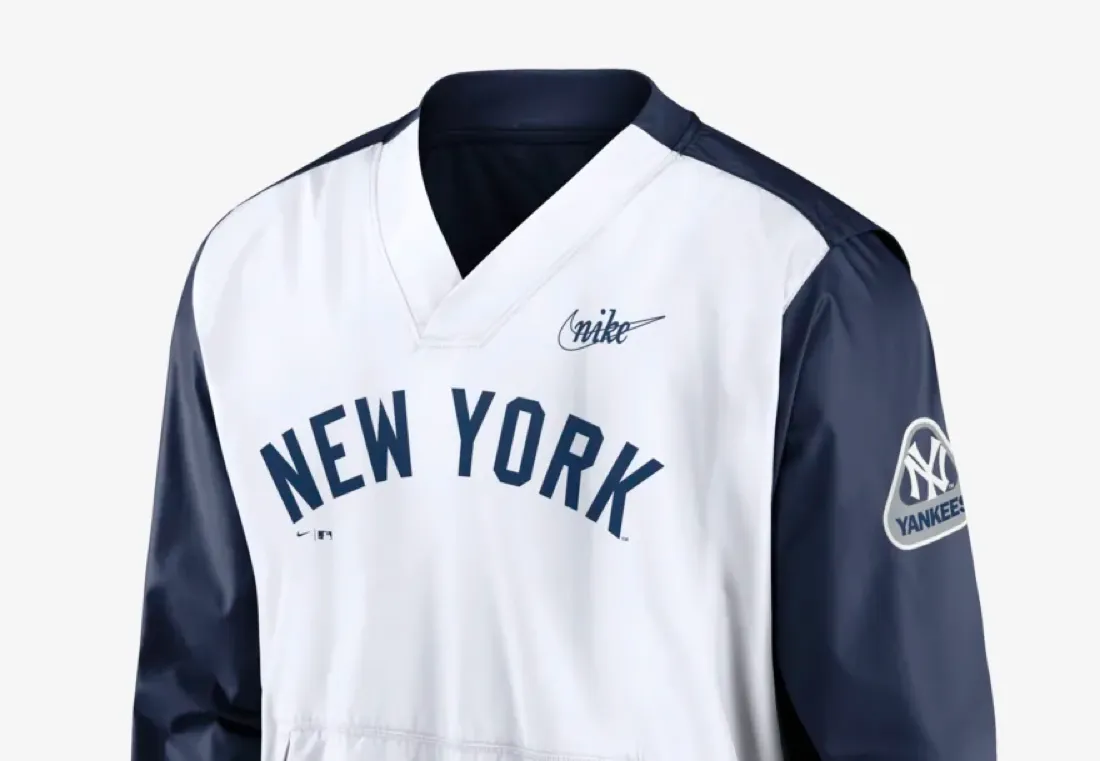
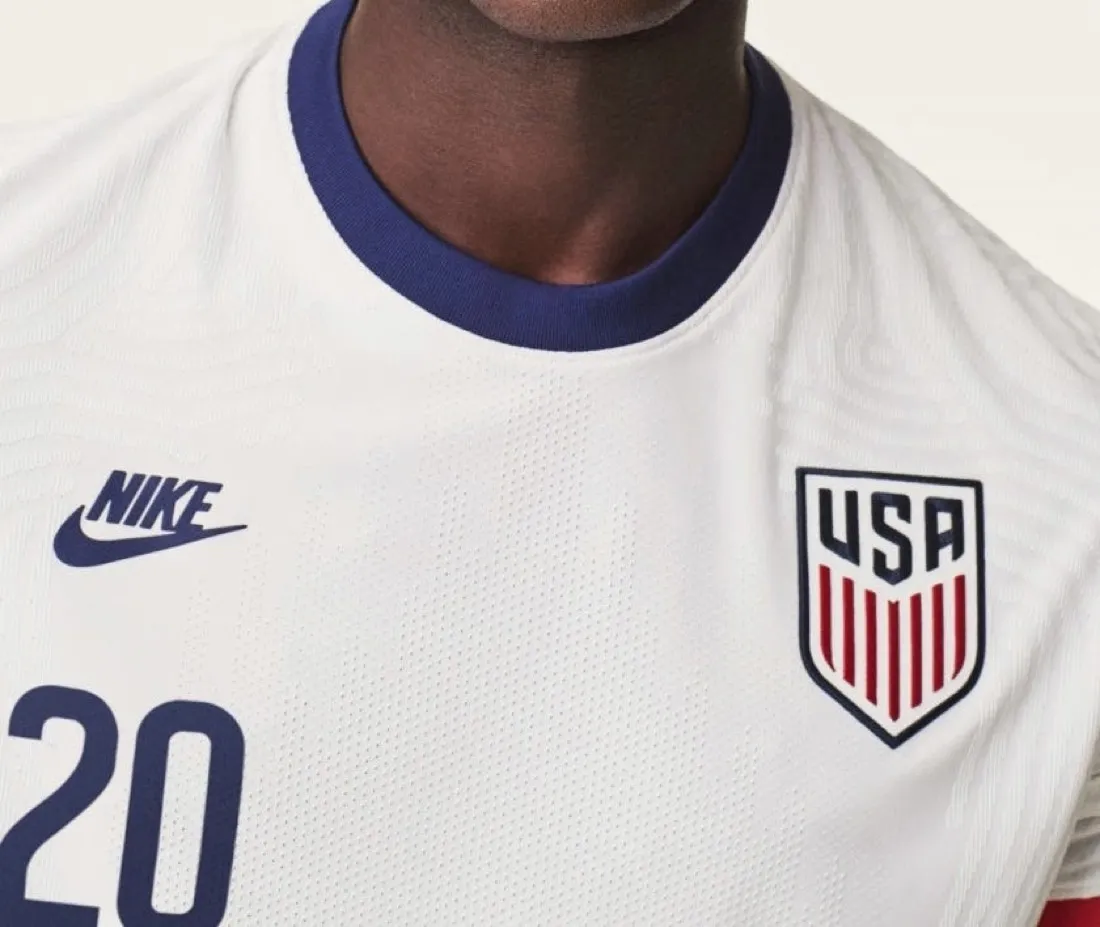
By being consistent with the feeling of the logo, Nike is able to stamp their influence wherever their products are featured. When you see a Nike logo or article of clothing, you get the feeling that you have the potential to perform at the same level as top athletes, the only obstacle is you.
4. Futuristic In-Store Experiences
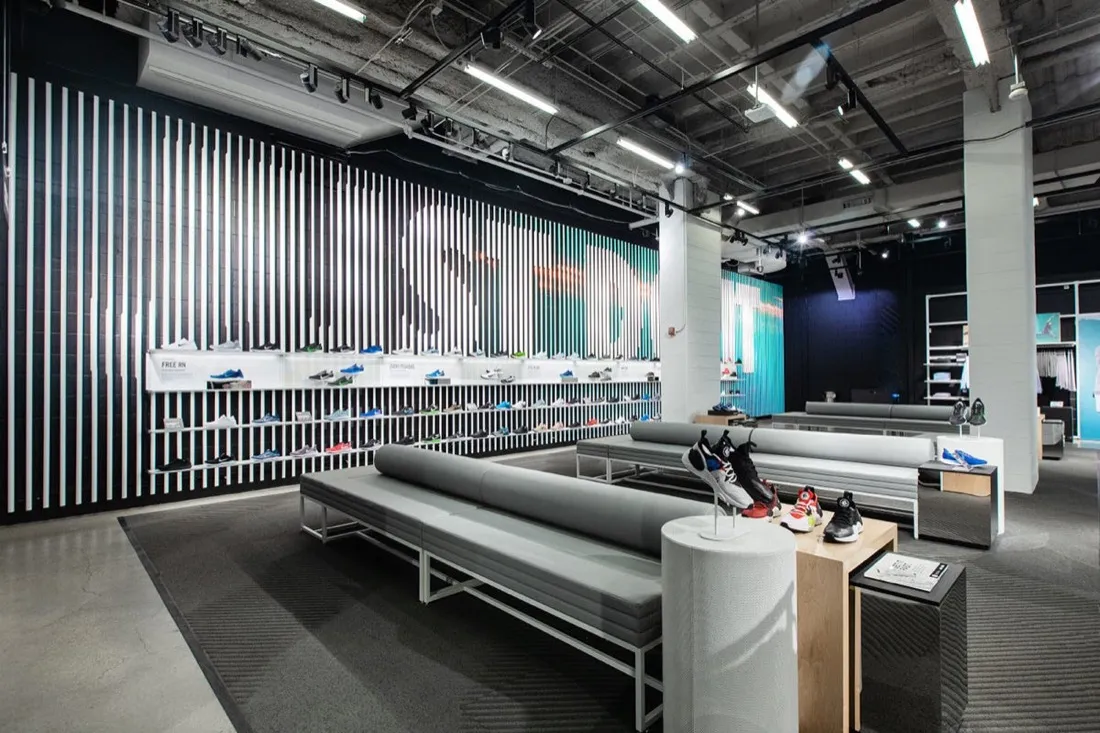
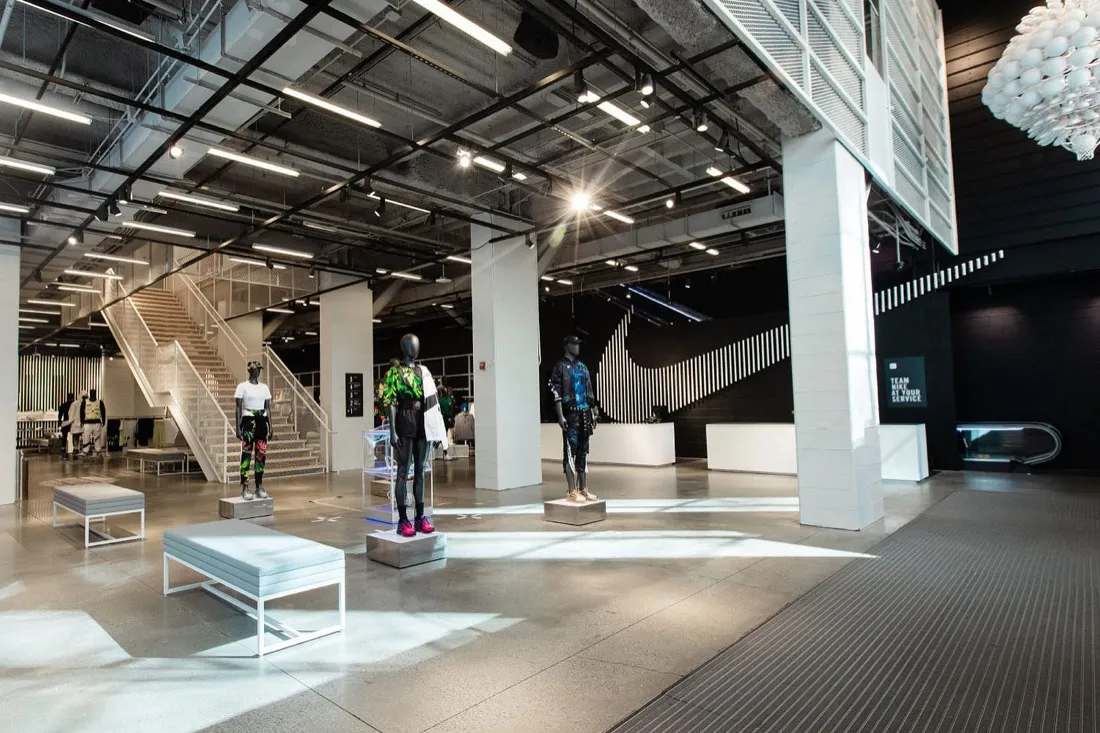
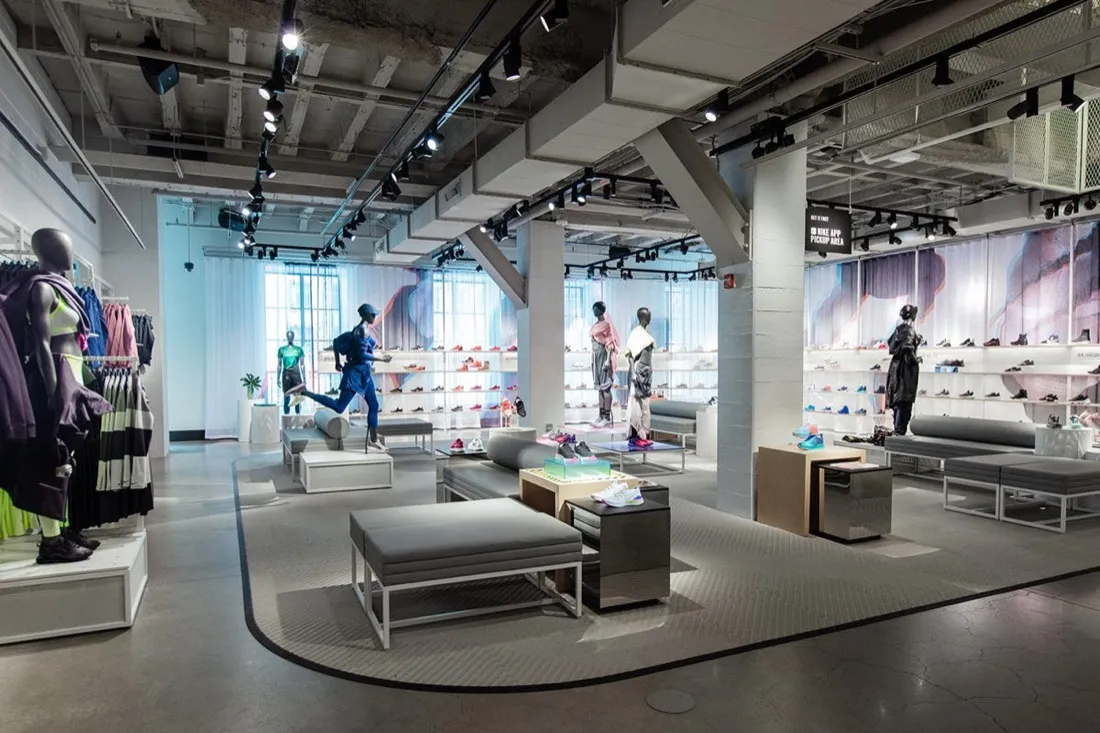
Nike’s stores use product displays, open space, and lighting to present shopping as an experience around sport and product technology. This section reflects my interpretation of the brand environment.
5. Top Athlete Influencers
The Jordan Era
Athlete partnerships, including Michael Jordan and Tiger Woods, are a prominent part of Nike’s brand history. This essay considers how those partnerships connect the brand with particular sports and audiences, without claiming to quantify their causal impact on sales.
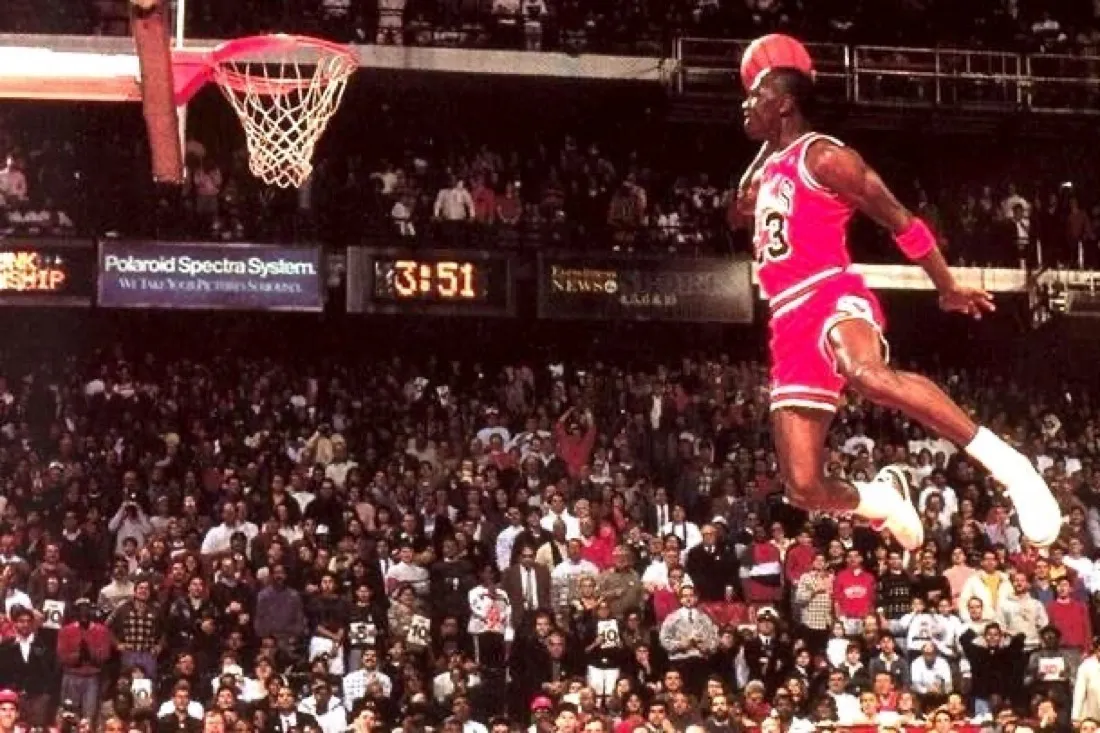
Because of this partnership, Nike was able to sell way over their projections of Air Jordan 1’s. In the first year, they sold $126 million versus the predicted $3 million. This changed Nike’s identity into a mainstream shoe, previously only thought of as a track shoe. Nike’s became a popular culture must have sneaker. Nike understood the impact that having a prominent figure would have on their business. They realized that people would connect to a standout basketball player and willingly come into the world of Nike.
The New Golf
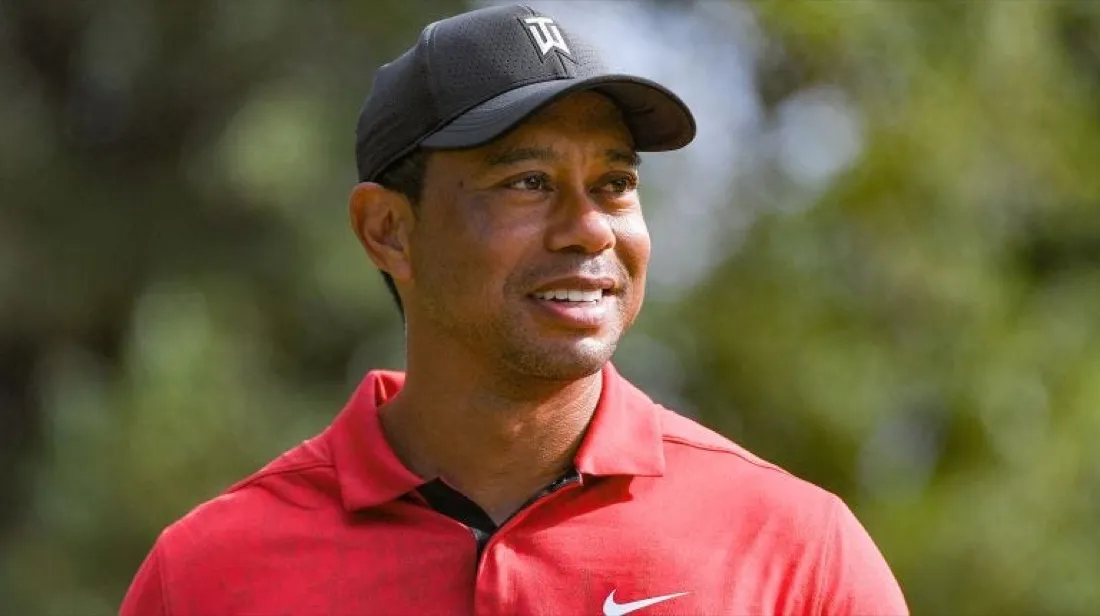
The other notable athlete that has been signed to Nike is Tiger Woods. Nike struck a deal with Woods in ’96 and their partnership continues today. Before this, Nike had created golf shoes starting back in 1984. It wasn’t until this modern era where Nike focused on golf apparel. Through the influence of Woods, Nike started designing new golf attire to allow for better performance. This allowed for the household name of Nike to be seen also on the golf course. Today, Nike is one of the top producers for golf apparel.