Volunteer experience
Saint City Chapel
Volunteer experience
From 2025 to 2026, I served as an unpaid volunteer at Saint City Chapel, taking on substantial ongoing responsibility across worship, production, and design. I took initiative where I saw gaps because I cared about how people experienced church. That meant learning an unfamiliar production setup, helping volunteers understand it, and designing apparel that could invite conversations about faith. My aim was to make Sunday services and Thursday Salt Company gatherings comfortable and free of production distractions, so people could focus on worship.
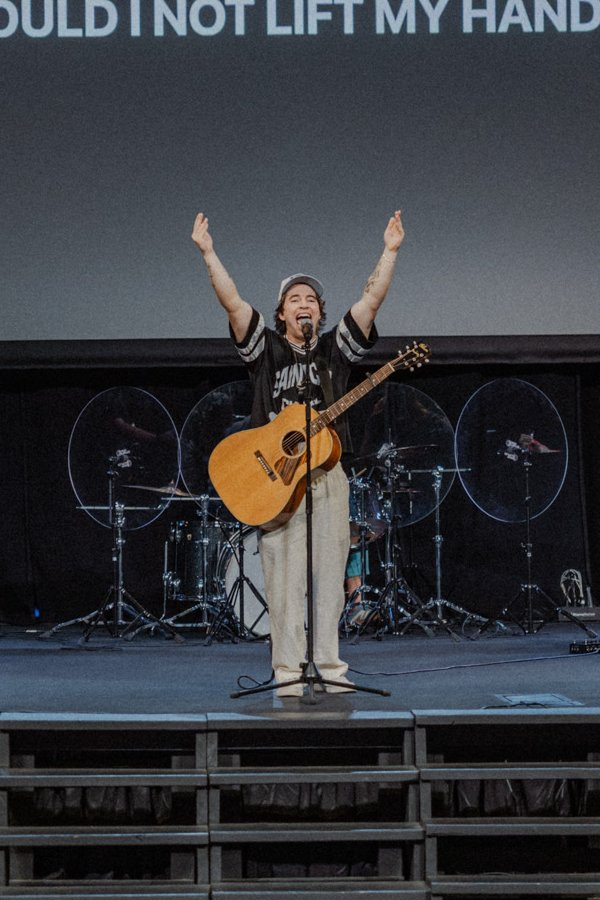
I joined Saint City Chapel in August 2025 with no worship leading experience. Within months I was leading worship at Salt Company, the Thursday college ministry, and I became the primary worship leader for that service.
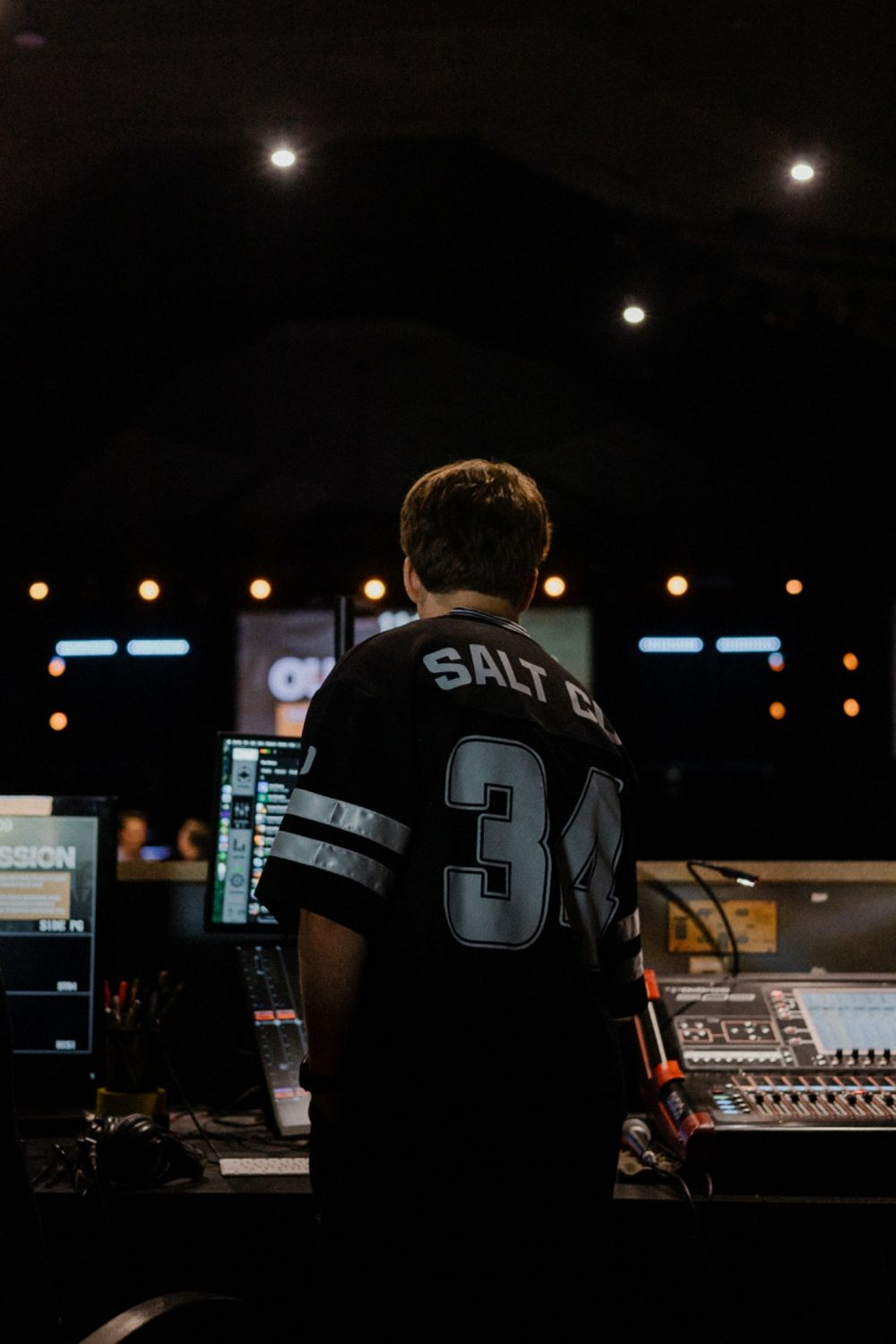
Alongside worship leading, I identified gaps in production and helped establish the workflows for a young church plant. I led a six person team working across a Yamaha , Shure wireless, , , and setup. Much of the routing knowledge lived in my head, so I wrote an to make the bespoke system referenceable across both services.
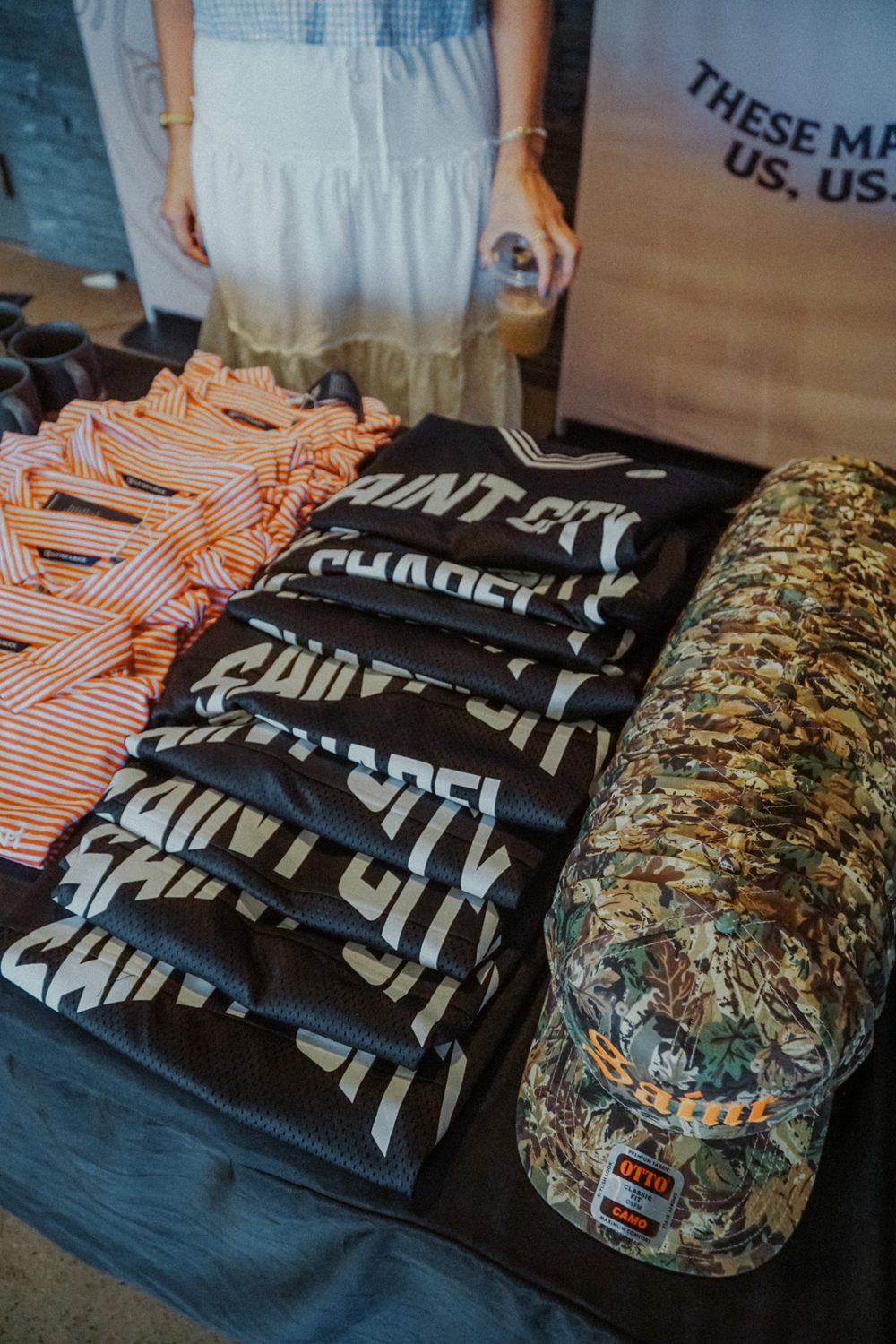
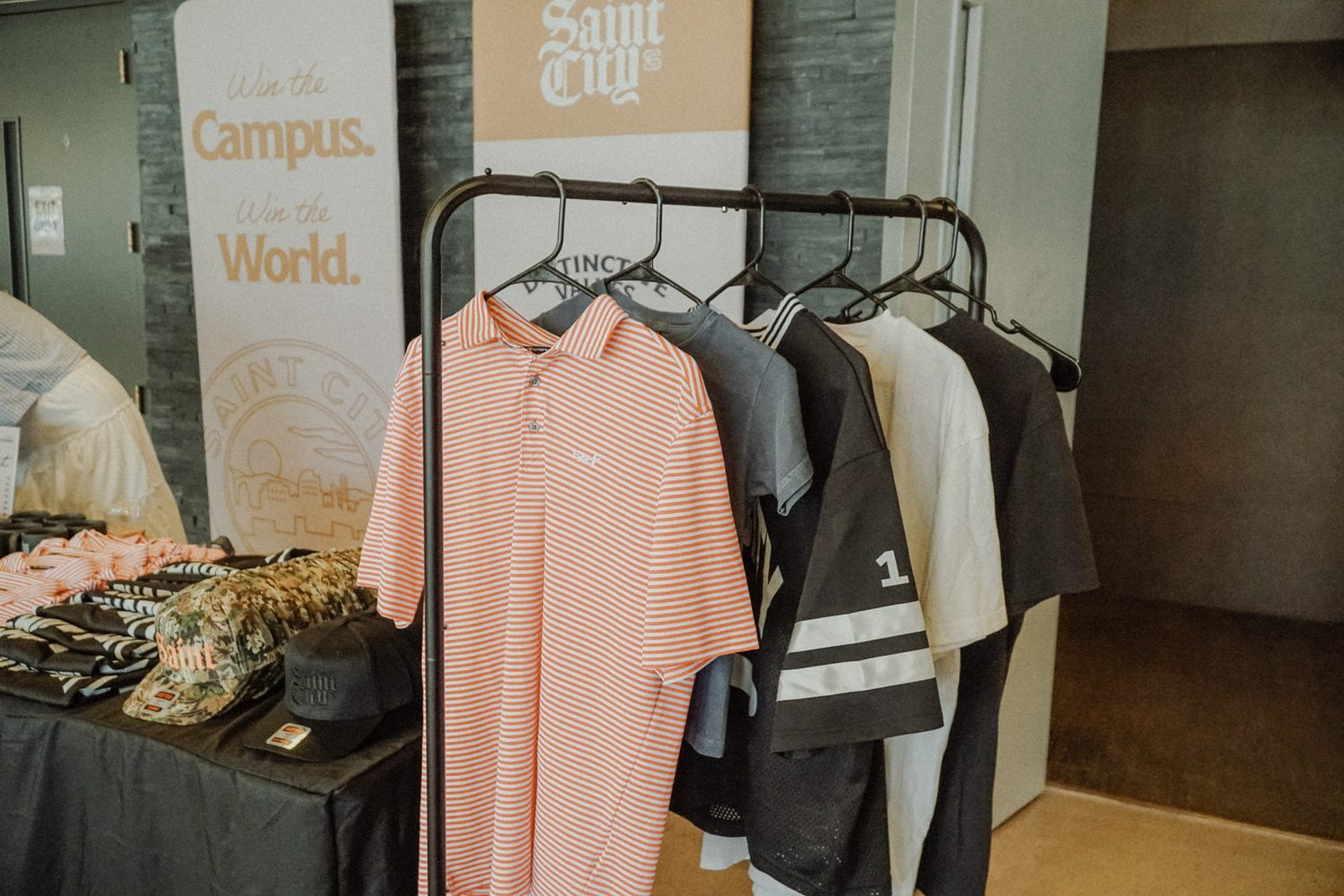
I also designed merch for the church and for Salt Company, from the first sketch through a local printer in Tempe. The pieces were worn across the congregation and the college ministry.
Worship leading
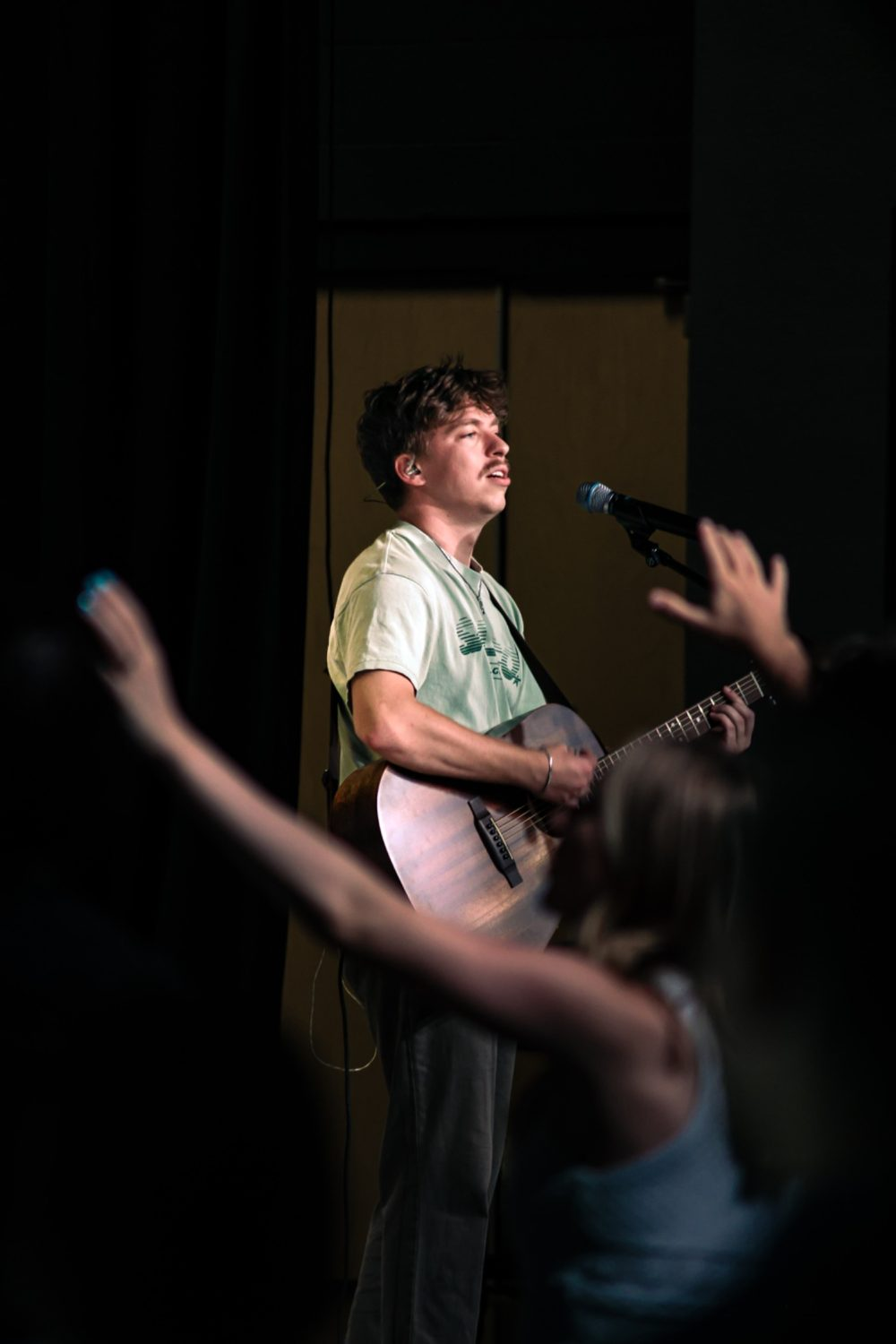
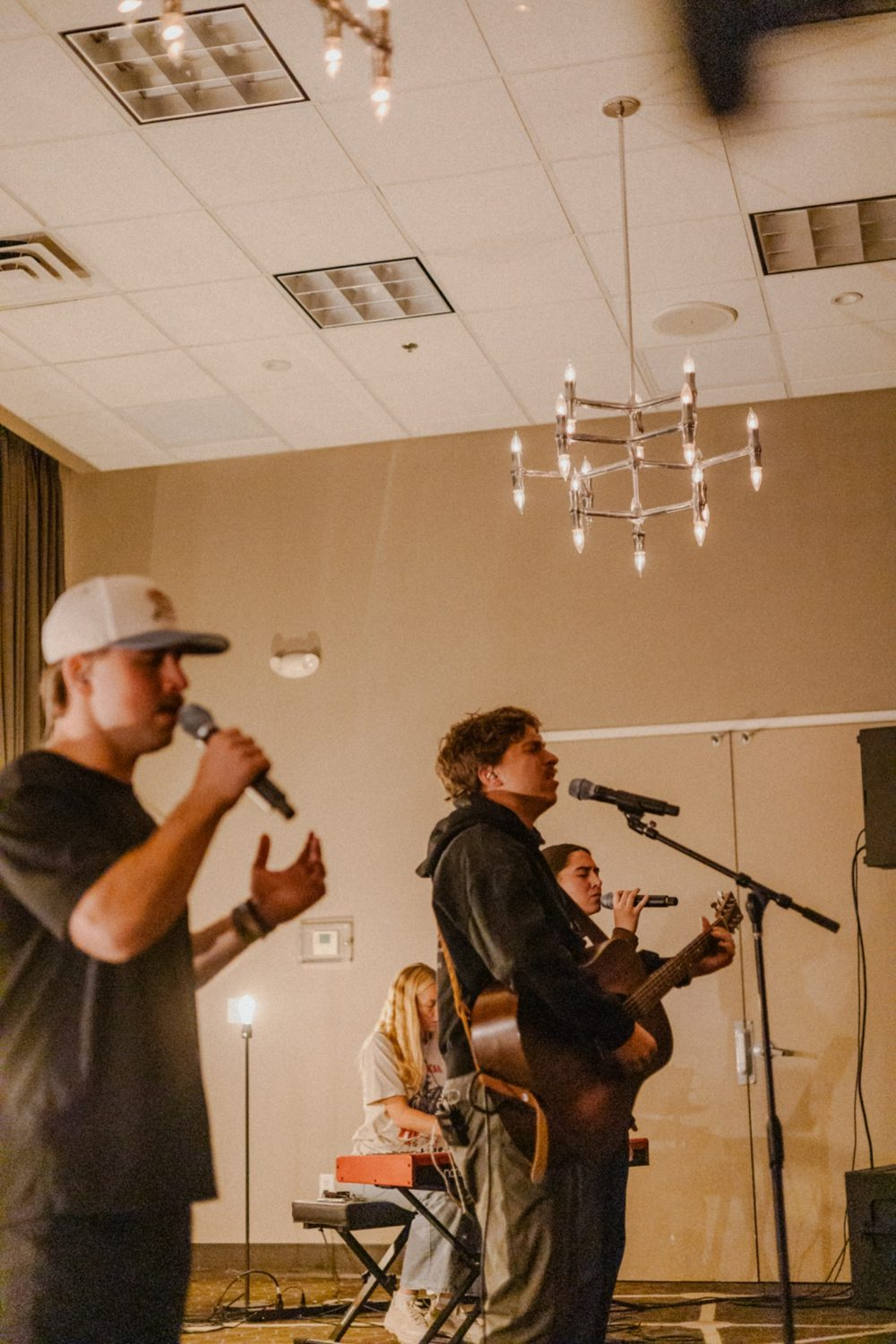
I could play guitar and sing. I had never stood in front of a room and led. Salt Company drew 80 to 90 ASU students on Thursday nights. I planned services: the songs, the transitions, the arc of the night, and where spoken moments land.
By early 2026, I had taken on responsibility for leading worship at Salt Company on Thursdays, and I also led Sunday mornings.
Live production
The production setup I worked with included a Yamaha with a over , Shure wireless, cameras, , and . I coordinated the six person team across Sunday services and Thursday Salt Company gatherings, including scheduling, direction, and troubleshooting during services.
The gap
Knowledge lived in my head
The bespoke setup had no written reference volunteers could use to understand how the whole system worked.
What I changed
A shared operating procedure
I documented the actual signal path and paired it with hands-on shadowing and troubleshooting explanations.
One example was how the Rio was routed to the Yamaha and the snake. Inputs began at an unexpected position and followed a routing path that was not intuitive. I documented the actual setup so volunteers had somewhere to reference how the pieces worked. The change was that this bespoke system no longer existed only in my head; the team had a shared guide for learning and troubleshooting it.
My work also included publishing Sunday sermons and Salt Company messages on Spotify, Apple Podcasts, and YouTube, organized by series and season. During my involvement, the library reached just under 50 episodes.
Taking ownership of an unfamiliar setup
When the church moved into the Valley venue, we inherited a production setup the team did not yet know how to operate. Although I was serving onstage, I saw the gap and took responsibility for learning how the different parts worked together.
I arranged weekend shadowing for volunteers interested in audio and other production roles. During services, I explained how I identified problems, narrowed down possible causes, and worked toward a solution. The goal was to help volunteers understand the reasoning behind the work and build their confidence.
Restoring band monitoring
One Sunday, the venue’s in-ear monitor packs were away for repair, leaving the band without the equipment they needed to hear themselves. I connected the church’s equipment from our previous setup to the venue’s system to restore monitoring for that service.
We identified the issue during setup, and the band had working monitors about an hour before service. It was a temporary solution for that Sunday, using equipment we already had.
Apparel
My aim was to create clothing people wanted to wear that could make faith feel approachable and invite conversation. I wanted each piece to feel distinctive without forcing the message.
I designed the lines and owned the path to a printer: research, calls, vetting, and production. We landed on a local shop in Tempe. Roughly 300 pieces, worn across Salt Company and Saint City.
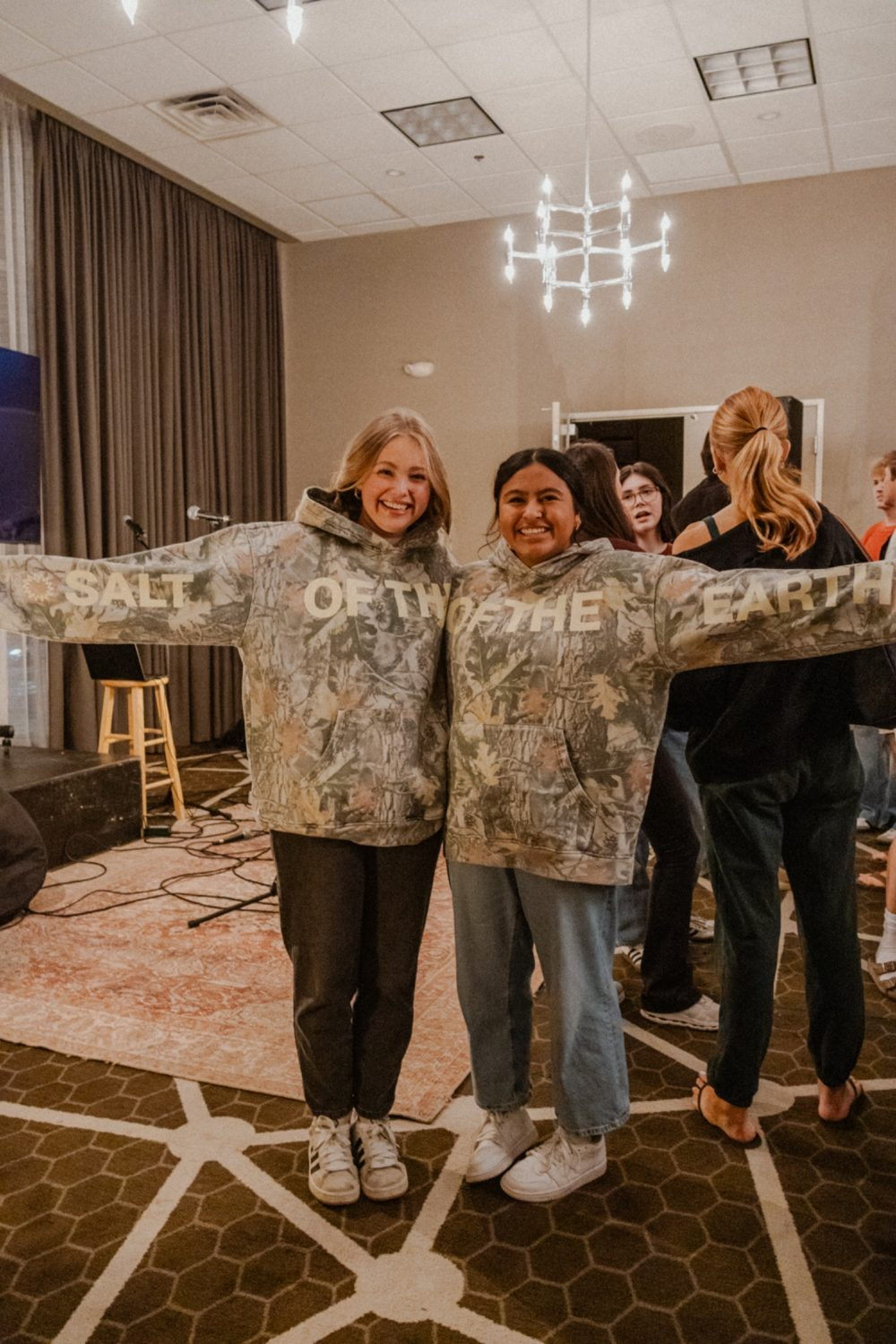
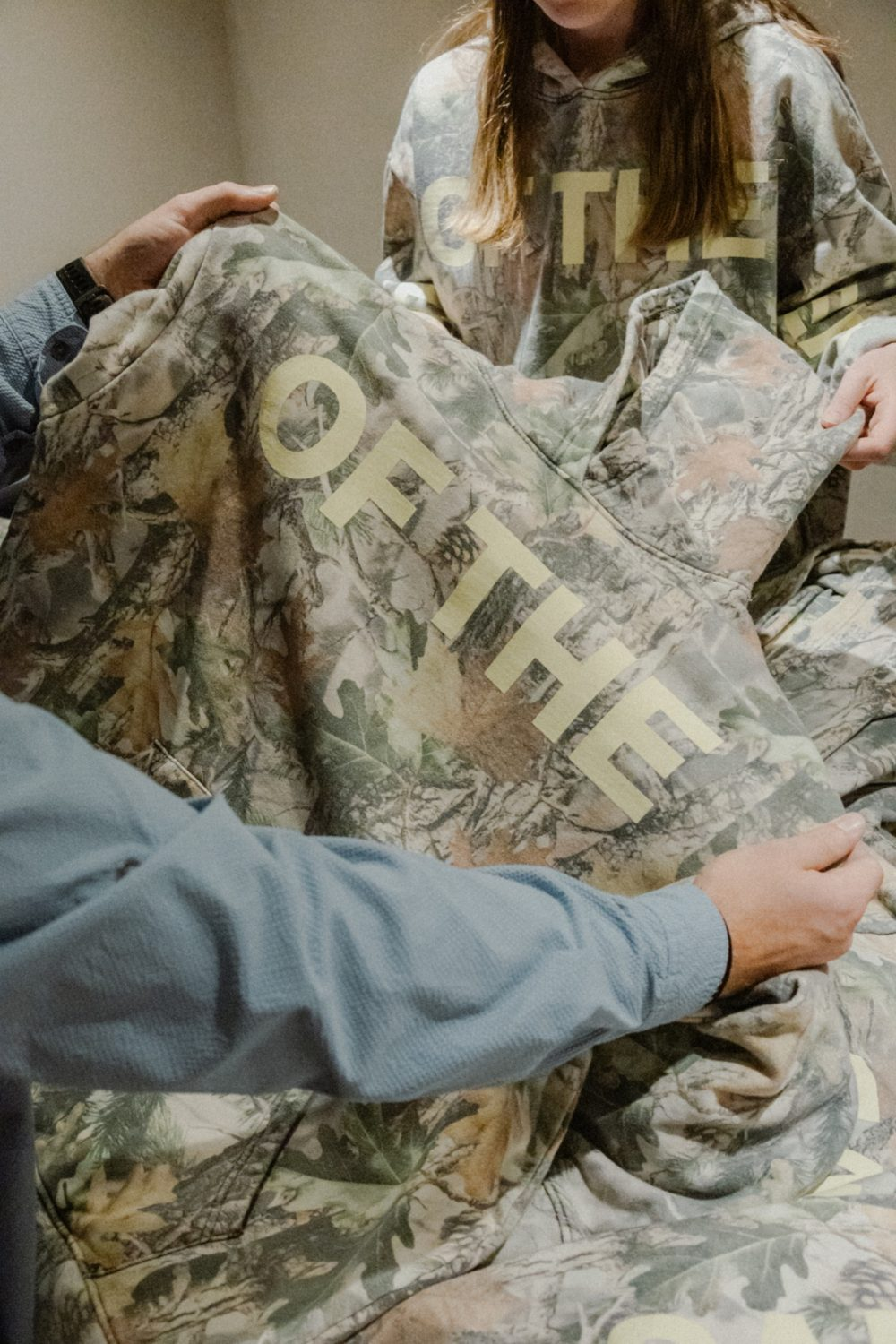
Salt had three drops. A launch tee, SALT ASU. A camo hoodie with SALT OF THE EARTH running along one arm, across the chest, and down the other—a bold placement chosen to make the design feel distinctive and clean. And a Thursdays are for Salt design, for the weekly rhythm of the ministry.
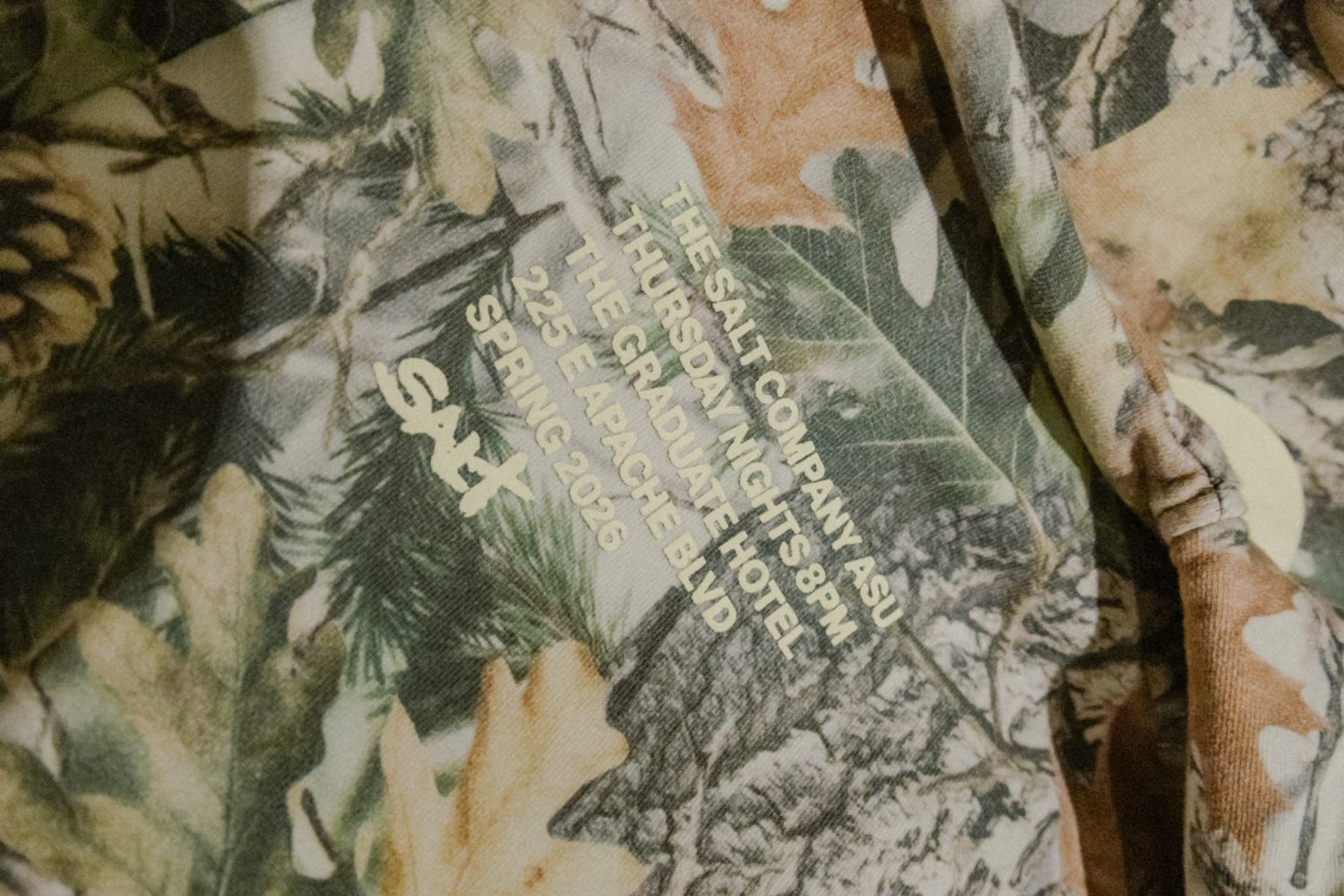
For the church I designed a boxy jersey, two hats, a polo, a tee, a kids tee, and a kids serve-team shirt. The jersey borrowed from the kind of merchandise someone might expect at a concert, bringing an unexpected format to the church community. People I showed the hoodie and jersey to responded positively, and I saw the jersey worn regularly. Whether the apparel started conversations about faith remains unmeasured.